Sea Alarm Supports Oiled Wildlife Preparedness Across Europe
May and June 2026 were busy months for Sea Alarm, contributing to three important events focused on strengthening preparedness for oiled wildlife response. From the remote islands of Shetland to the Baltic Sea region and Germany’s coastal federal states, Sea Alarm helped authorities and response organisations develop practical strategies for protecting wildlife during marine pollution incidents.
Building a Shetland-specific wildlife response plan
On 26–27 May, Sea Alarm attended a two-day oiled wildlife response workshop in Shetland, UK. Organised by OSRL and jointly moderated by OSRL and Sea Alarm, the workshop brought together a wide range of local and national stakeholders, including the Maritime and Coastguard Agency (MCA), Shetland Islands Council, NatureScot, BP,Shetland Oil Terminal Environmental Advisory Group (SOTEAG), Shetland Vets, and the RSPCA.
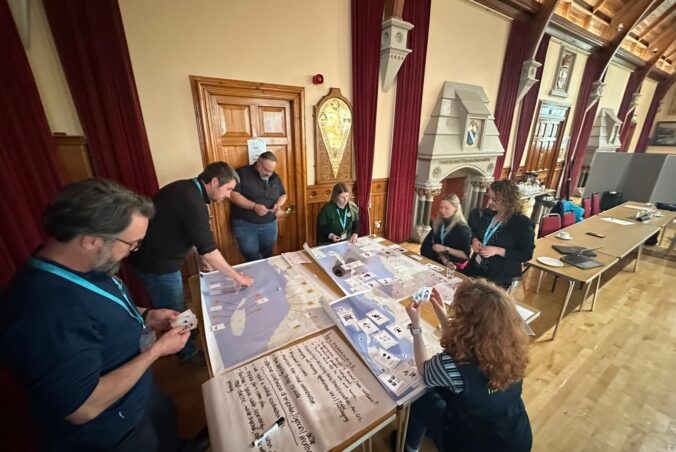
The workshop focused on developing a tactical approach for responding to live and dead wildlife coming ashore during an oil spill incident. To support these discussions, Sea Alarm used its WildX simulation games, enabling participants to explore the challenges of wildlife response in a realistic incident scenario.
A Shetland-specific WildX tabletop serious game examined an oil spill in Shetland waters, allowing participants to assess response options and identify both the opportunities and limitations of operating in a remote archipelago with internationally important wildlife populations. The discussions generated valuable insights that will now be used by Sea Alarm to develop a dedicated tactical plan for oiled wildlife response in Shetland.
Contributing to regional preparedness in the Baltic Sea
From 1–4 June, Sea Alarm attended the HELCOM Response meeting in Hamburg, where representatives from Baltic Sea countries met to discuss regional marine pollution preparedness and response. A pre-meeting reviewed the outcomes of the BRISK-2 project, which is assessing how pollution risks from maritime transport in the Baltic Sea may change over the next decade.
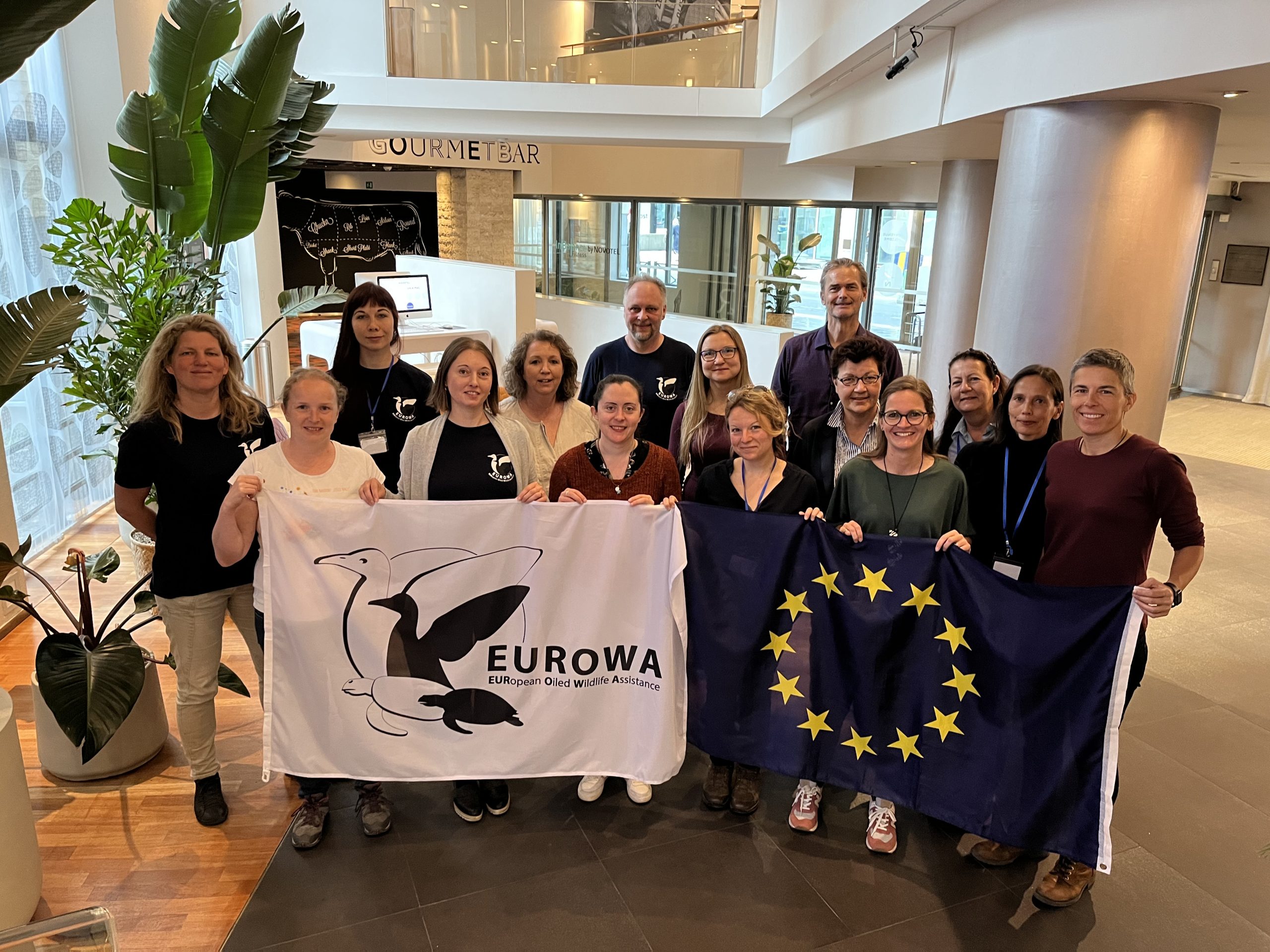
As Chair of the HELCOM Expert Group on Wildlife, Sea Alarm presented the group’s recent activities and highlighted the importance of reliable wildlife sensitivity data in pollution risk assessments and preparedness planning across the Baltic region. The meeting also included a presentation by WWF’s Vanessa Ryan on the outcomes of the EUROWILD project, including the recent Authority workshop held in Helsinki earlier this year.
A key outcome of the HELCOM RESPONSE meeting was the continued endorsement of the One Incident, One Response philosophy. Strongly supported by Sweden and Finland, this approach promotes coordinated, integrated response structures involving all relevant authorities and stakeholders.
This principle will be a key theme of the BALEX Alpha exercise taking place in Sweden in August 2026. Sea Alarm will participate in the exercise, helping to explore how national maritime and coastal authorities can work effectively with international resources such as EUROWA when incidents exceed local response capacities.
Supporting implementation of Germany’s wildlife tactical plan
Sea Alarm returned to Hamburg from 9–11 June to support a three-day authority training programme introducing Germany’s new tactical plan for oiled wildlife response. The plan has been developed through a collaboration between the Havariekommando, Sea Alarm and ProBird, providing a common operational approach for wildlife response across Germany’s North Sea and Baltic Sea coastlines.
Representatives from Germany’s five coastal federal states—Lower Saxony, Schleswig-Holstein, Mecklenburg-Western Pomerania, Bremen and Hamburg—participated in the training over three consecutive days. Each training session combined introductory presentations with WildX serious games developed specifically for Germany’s coastal regions. Through the exercises, participants explored how wildlife response can be integrated into existing maritime pollution crisis management structures and examined the different functions required during an oiled wildlife response operation.
The interactive format received very positive feedback from participants, who highlighted the value of the simulation-based discussions in improving their understanding of wildlife response planning and coordination.
These three events demonstrate Sea Alarm’s continued commitment to supporting governments, industry and conservation partners in strengthening preparedness for oiled wildlife response across Europe. By combining technical expertise with WildX serious games, Sea Alarm continues to help build more coordinated and effective responses that improve outcomes for wildlife affected by marine pollution incidents.